
A datacenter proxy sends your requests through IP addresses that belong to hosting providers. ProxyMesh runs a rotating datacenter proxy at each of its 16 standard locations. Each proxy has 10 shared IPs that are replaced by a new set of 10 every 12 hours. We do not use the top major cloud providers, as they are easy for sites to block. Instead, we find more niche hosting providers that are less well known and therefore less likely to be blocked. Read the Rotating Proxies documentation for more details.
- Features 🎛
- FAQ 🤔
- Documentation 🛟
- Pricing 💵
Use Cases
- acquire training data for AI models 🤖
- scrape prices in different currencies 💱
- crawl the web for a search engine 🔍
- browse the internet anonymously 🥸
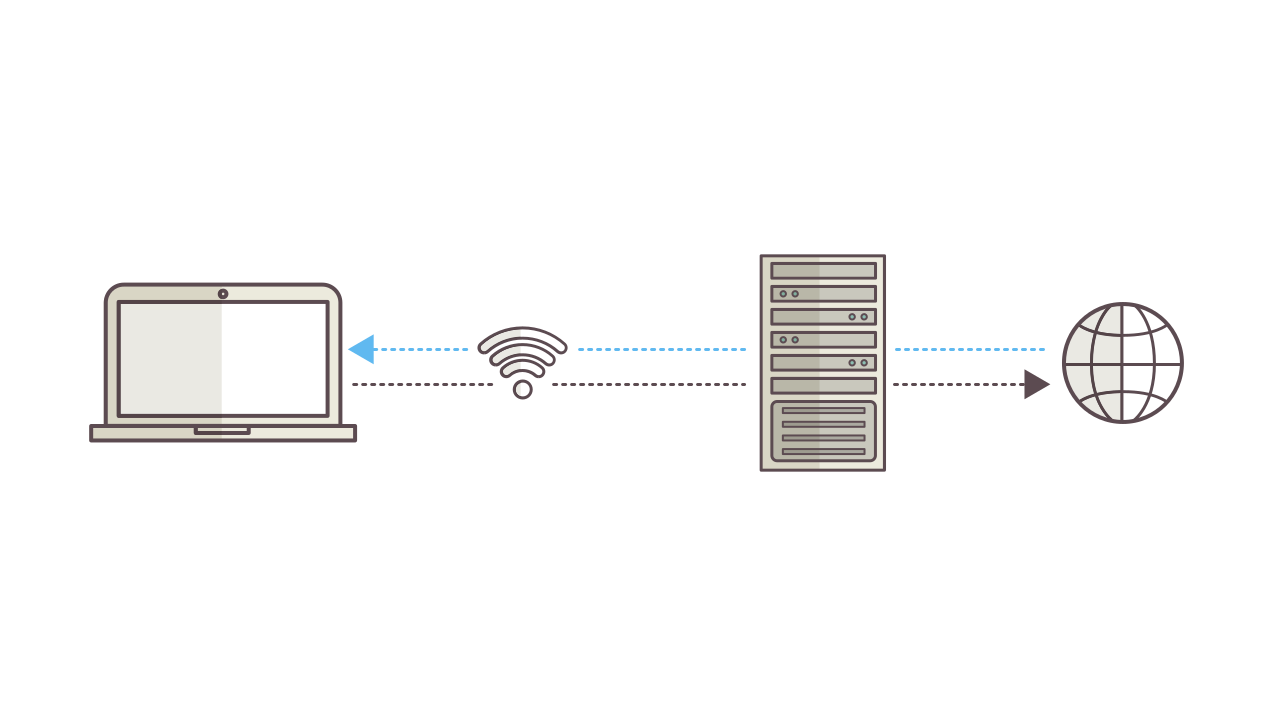
Simple
ProxyMesh works with the HTTP proxy protocol, so your software can already work with us. You don't need to download anything. Just configure your authentication and proxy settings, after you choose a pricing plan. For web browsers we also provide a proxy auto-config url.
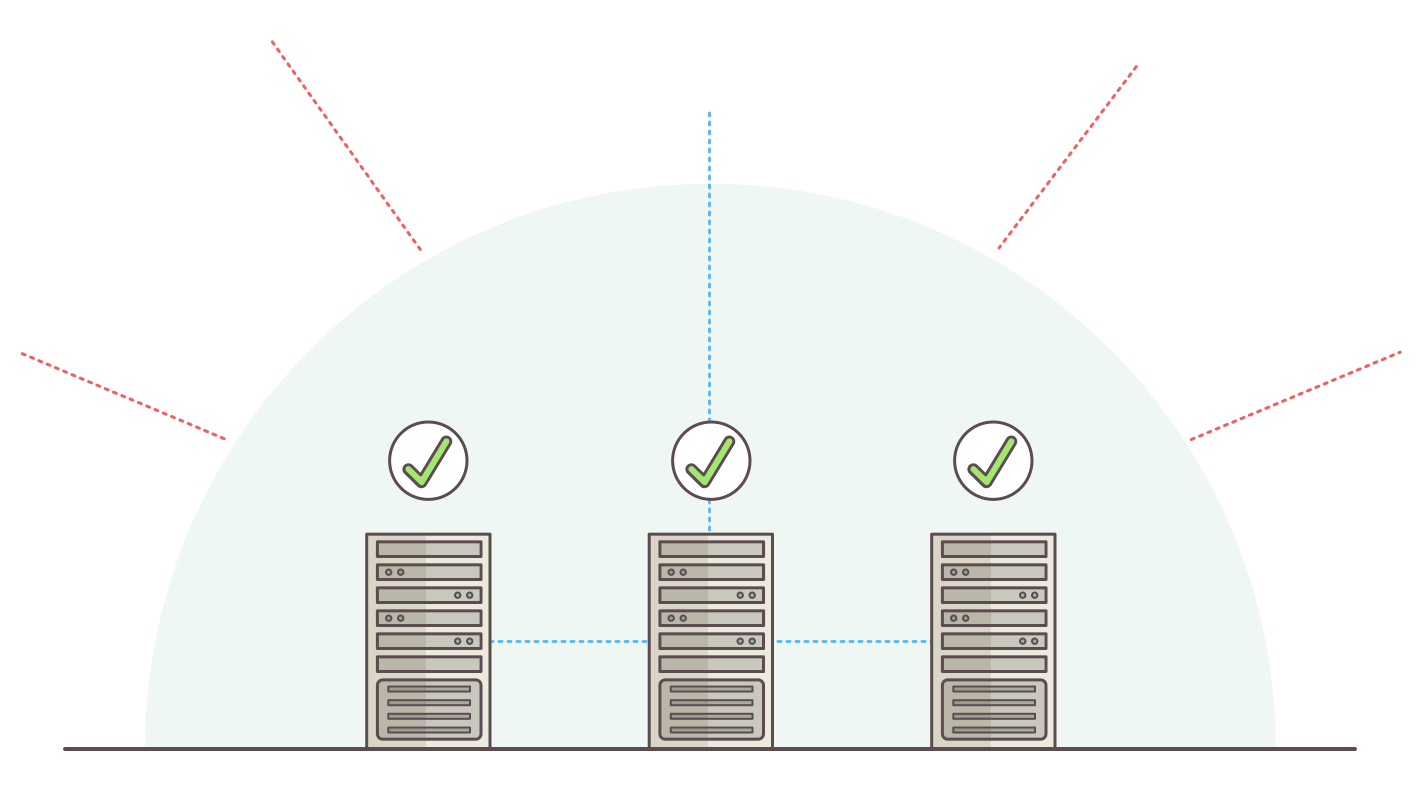
Reliable
Our proxies maintain over 99% uptime while handling many 100s of terabytes of data every month. Every proxy server is located in a separate data center, so in the rare case of one proxy having a problem, other proxies are not affected. We have automated monitoring, alerting, and a public status page so you can stay informed of any scheduled maintenance or down time.
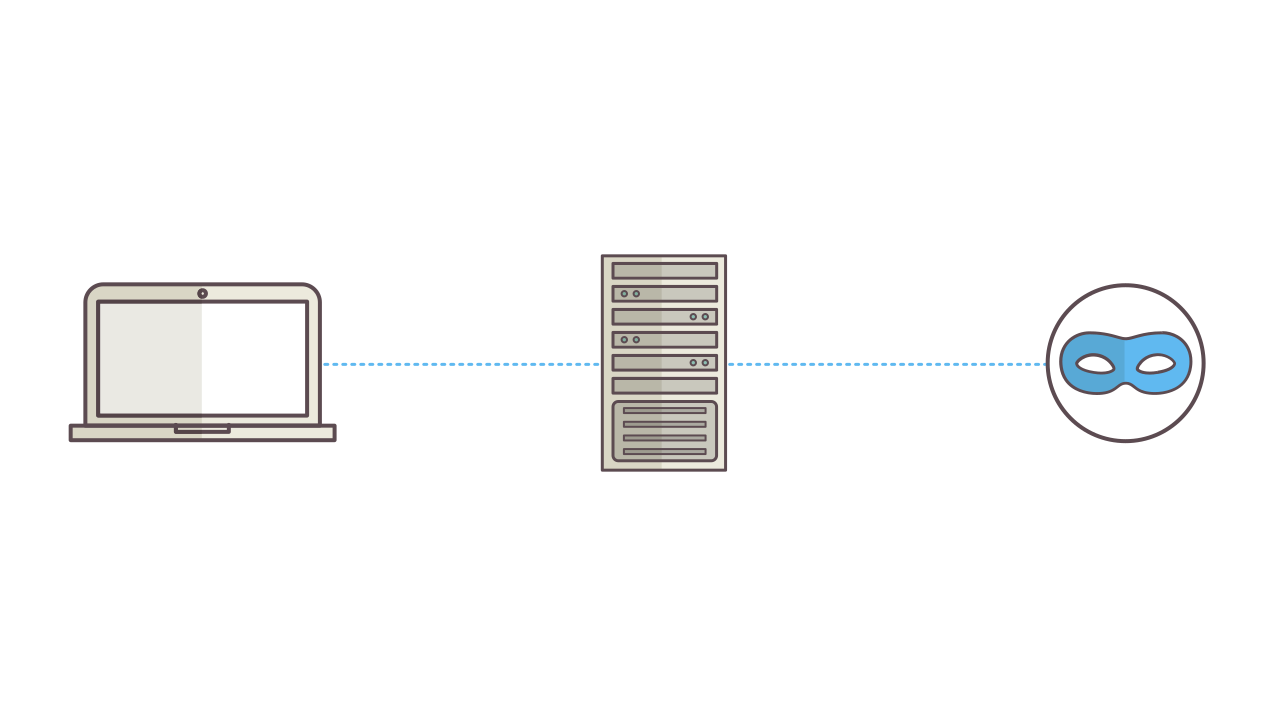
Anonymous
ProxyMesh rotating proxies provide elite level 1 anonymity. Identifying headers are removed, and other headers such as User-Agent are passed through unchanged.
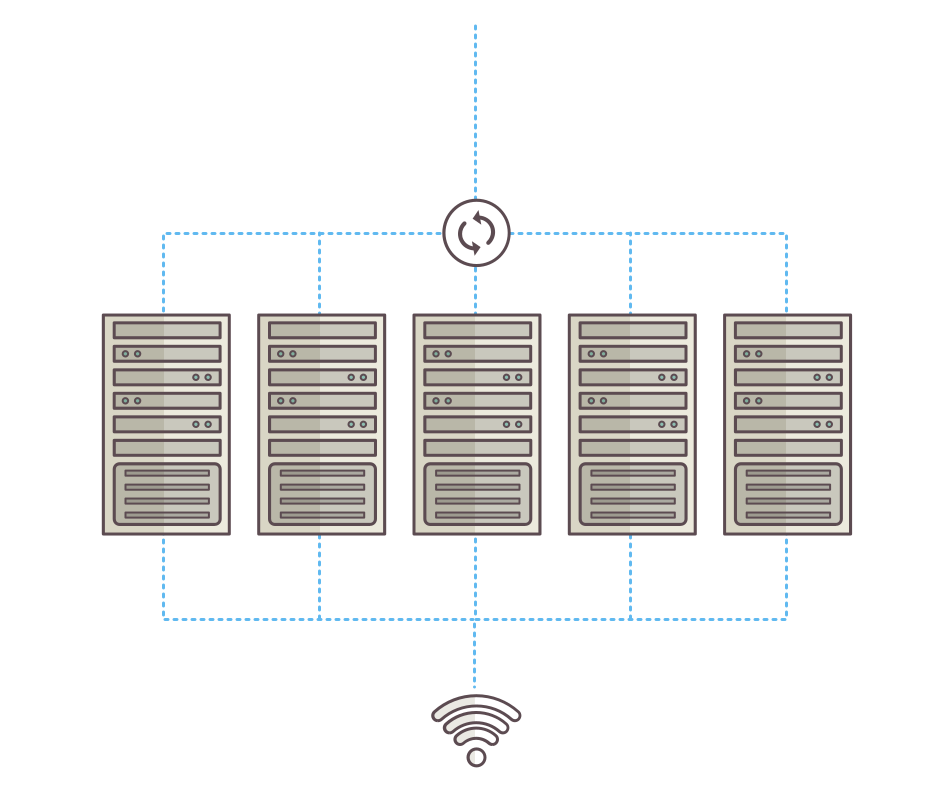
Automatic
Each datacenter location has 10 shared IPs. Every 12 hours they are replaced by a new set of 10, so a location uses 20 IPs per day with no manual proxy switching required. Rotation times are staggered by location, and each request uses a random IP from the current set.
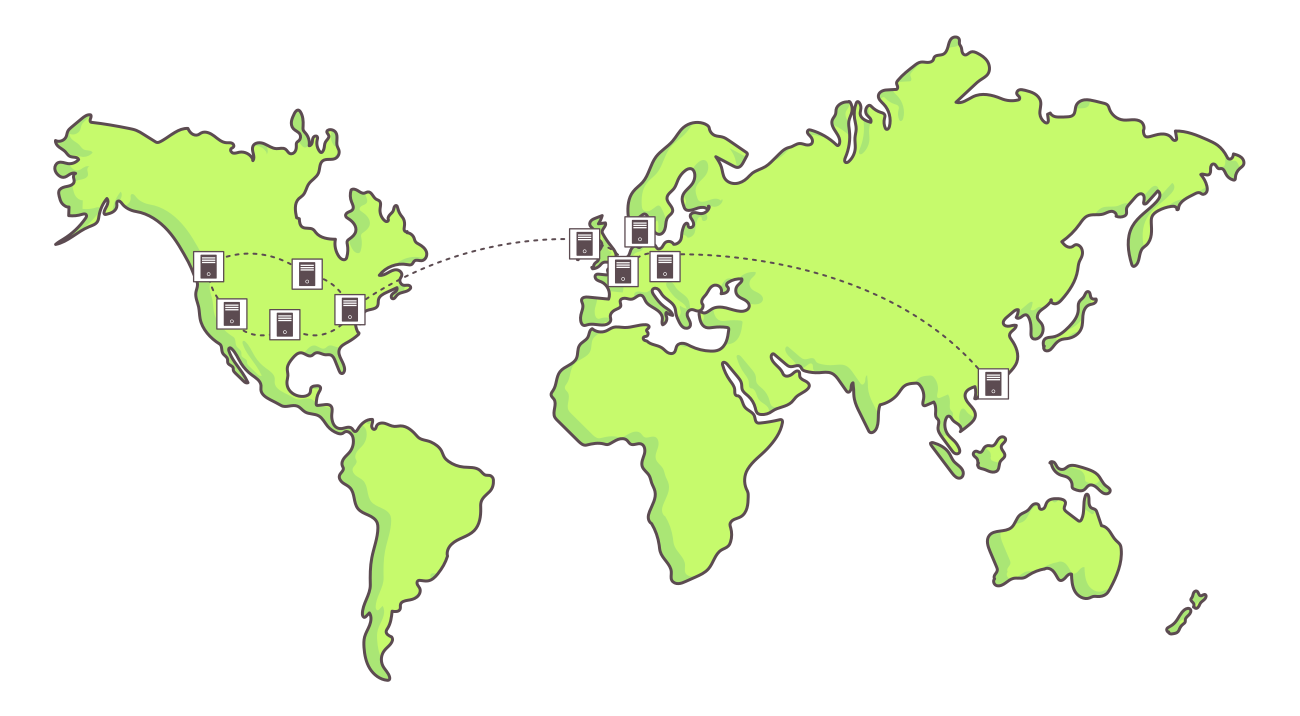
Worldwide
The full ProxyMesh network, which also includes the US ISP proxy, has 17 proxy servers in 10 countries across 4 continents. Across the network that is 170 IPs at a time and 340 IPs per day.
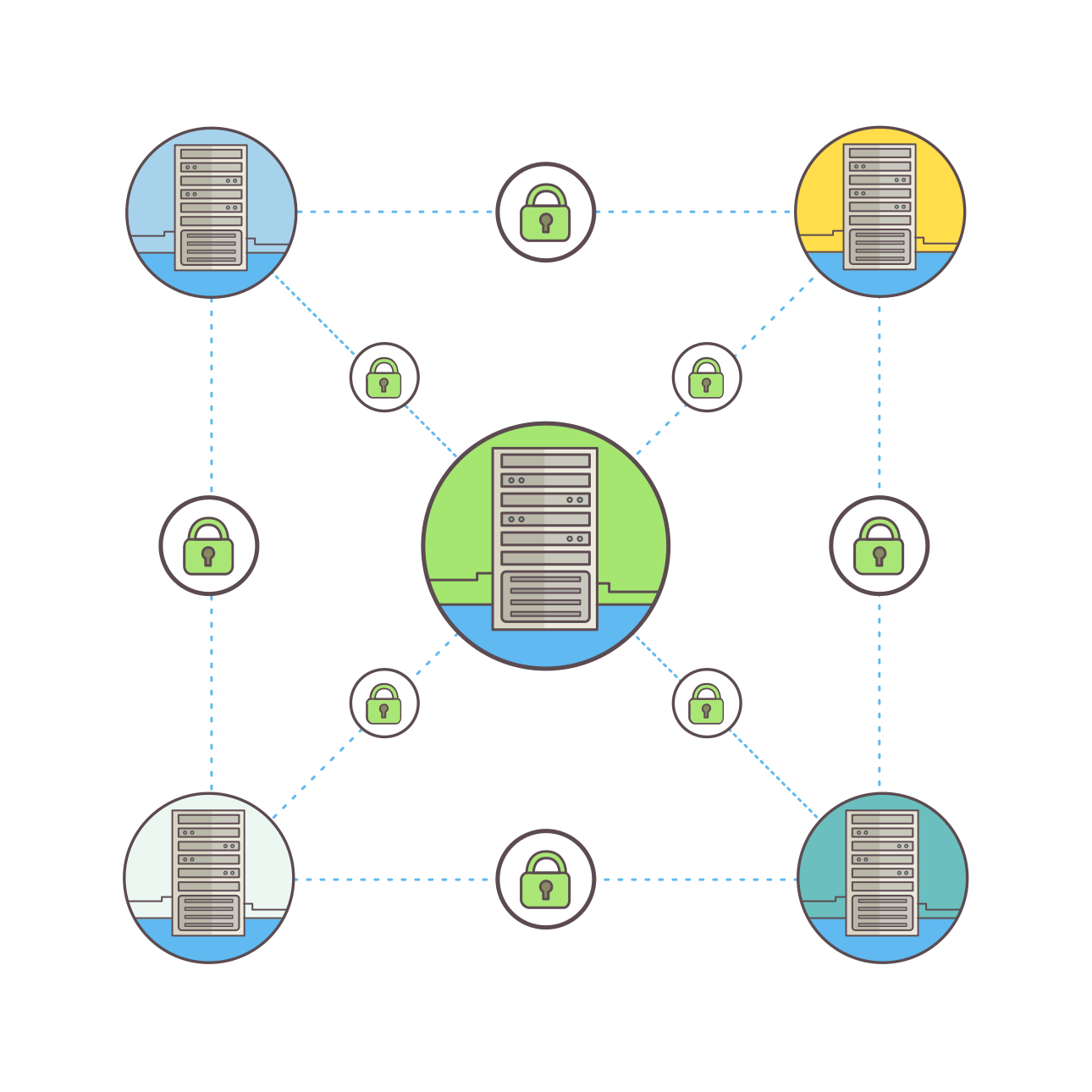
Business
The datacenter proxies are available in all of our pricing plans. The higher level plans are designed for businesses that need high volume web scraping, with access to many proxies at once, separate sub accounts, invoice customization, discounted prepaid bandwidth, and annual prepay options. Every customer gets access to our help documentation and 24/7 chat & email technical support with real humans.
How it Works
Because ProxyMesh works with the HTTP proxy protocol, your software can already work with us. Below is a brief overview of how it works, but you can find more details in our getting started guide.
- ✅ Choose a pricing plan
- 🔐 Setup your authentication
- 🗺 Choose which of our proxies you want to use
- ⚙️ Configure your web browser or http client library to use our proxies
- ▶️ Start using ProxyMesh
Datacenter, ISP, World and Open proxies compared
| Datacenter | US ISP | World Proxy | Open Proxy | |
|---|---|---|---|---|
| IPs | 10 shared IPs per location, replaced every 12 hours (20 per day) | 200 IPs, all available at once. The pool rotates approximately once per month. | 25,000+ static IPs in 23 countries, changed 1-2 times per year | Typically about 100 IPs at a time, with ~50 changing every hour |
| IP source | Hosting provider data centers | Assigned by US consumer internet service providers | Proprietary | Public open proxies that ProxyMesh tests and filters |
| Anonymity | Level 1 elite | Level 1 elite | Level 1 elite | Level 2 |
| How a request gets an IP | Random IP from the current 10 | Random IP from the full pool | Least-recently-used IP per domain; X-ProxyMesh-Country limits IPs to one country |
Random IP from the current pool |
| Speed & Latency | Fast | Fast | Requests generally take at least 1 second longer than direct requests | Slower and less reliable than the rotating proxies |
| Plans | Every plan, from 1 location to 11 | ProxyMesh 50 and 100 only; counts as 5 proxies | ProxyMesh 50 and 100 only; counts as 5 proxies | Free on every plan; usage counts toward plan bandwidth |
Where the datacenter proxies are located
🇺🇸 United States: California (Los Angeles), Florida, Illinois, New York, Texas, Washington state and Washington DC. See USA proxy servers.
🇪🇺 Europe: 🇫🇷 Paris, 🇩🇪 Frankfurt, 🇨🇭 Zürich, 🇬🇧 London, 🇳🇱 Amsterdam. See Europe proxy servers.
Asia-Pacific: 🇮🇳 Mumbai, 🇦🇺 Sydney, 🇸🇬 Singapore, 🇯🇵 Tokyo. See Asia-Pacific proxy servers.
Many locations have both IPv4 and IPv6 addresses, and you don't need to do anything for the IPv6 address to be used. Switzerland, Florida, Texas and Washington DC are IPv4 only. The physical location of a data center doesn't guarantee that every IP geocodes to that location in every GeoIP database.
Send a request through a datacenter proxy
Replace PROXY_HOST:PORT with the host and port of the location you chose. First authorize your IP address in your dashboard. IP authentication is the easiest and most secure method, and your requests need no credentials. The IP printed is the proxy's, not yours.
Curl example
curl -x http://PROXY_HOST:PORT "https://api.ipify.org?format=json"Python example
import requests

proxy = "http://PROXY_HOST:PORT"
r = requests.get("https://api.ipify.org?format=json",
                 proxies={"http": proxy, "https": proxy})
print(r.json()["ip"])
If you can't use IP authentication, create a bearer token in your dashboard and send it in the Proxy-Authorization header instead of putting credentials in the proxy URL:
curl -x http://PROXY_HOST:PORT \
  --proxy-header "Proxy-Authorization: Bearer pm_YOUR_TOKEN" \
  "https://api.ipify.org?format=json"
Datacenter proxy FAQ
- Are the IPs dedicated?
- No. The 10 IPs at each location are shared.
- What if a site blocks datacenter IPs?
- Try the US ISP proxy. Its IPs are assigned by US consumer internet service providers, so IP-intelligence databases typically classify them as residential.
- How do I authenticate?
- IP authentication is the easiest and most secure method, and you can add up to 100 of your own authenticated IP addresses. If you can't use IP authentication, use a bearer token. Domain authentication for dynamic DNS and username and password (Basic auth) are also available. For HTTPS with a username and password, the
Proxy-Authorizationheader must be sent with the CONNECT request. Read the Proxy Authentication documentation for more details. - Can I use HTTP/2 with ProxyMesh?
- HTTPS requests go through a CONNECT tunnel, and HTTP/2 between your client and the site works inside that tunnel, including large downloads. The connection from your client to the proxy (the CONNECT request) is HTTP/1.1.
- Do datacenter proxies work on social media sites?
- Social media sites may need a different proxy provider. See Social Media and ProxyMesh Services.
- Is there a money-back guarantee?
- Yes. If you cancel within the first 30 days, you can request a full refund of the initial payment, usually within 2 business days. There is no free trial.